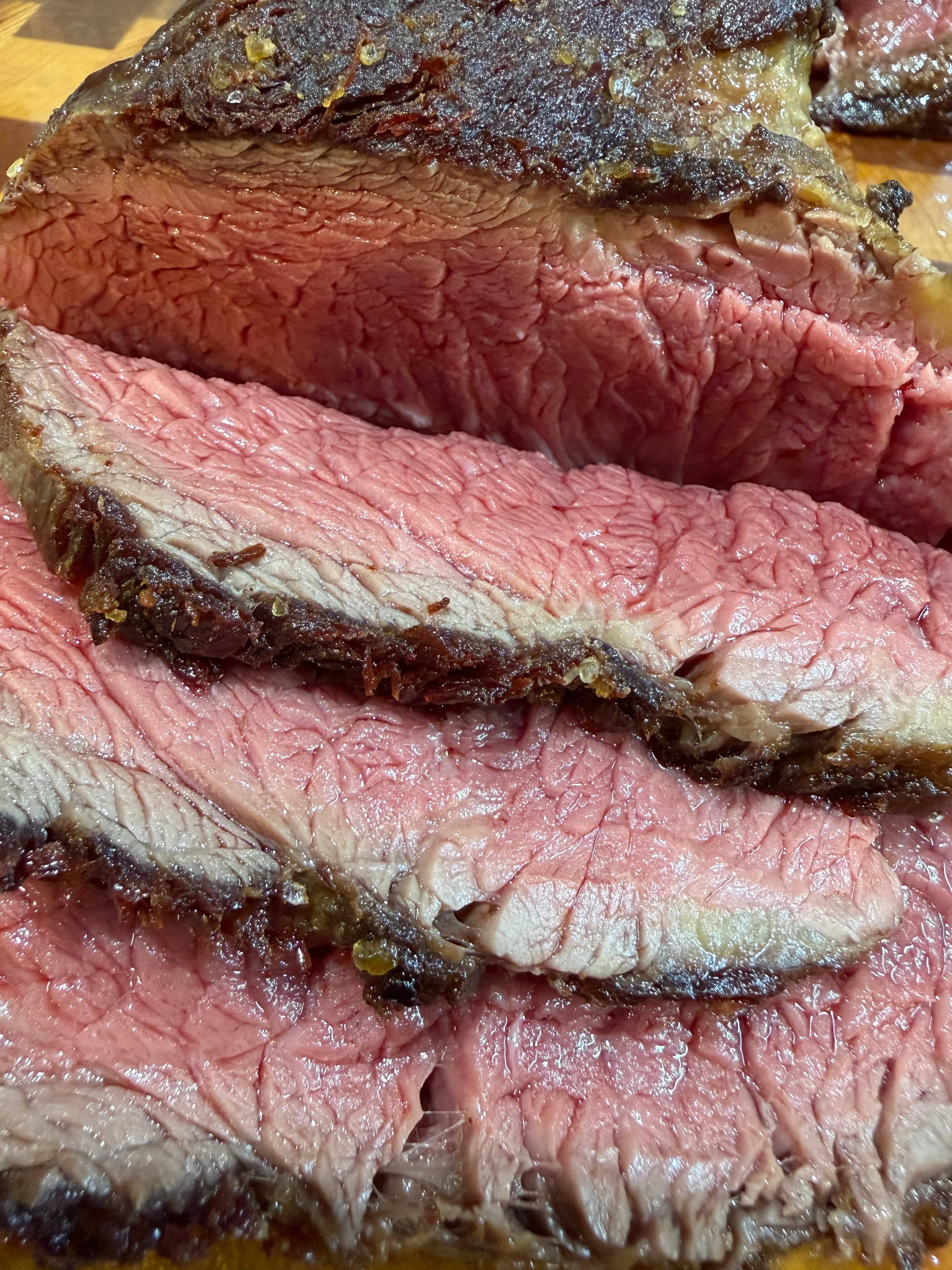
Flank, Flat Iron, Skirt & Bavette

How to Cook Bison Flank, Flat Iron, Skirt & Bavette (Grill or Cast Iron)

The thin, quick-cooking bison cuts — flank, flat iron, skirt, and bavette — all follow one rule: hot and fast to 125–135°F, rest, then slice thin against the grain. This guide covers both the grill and the cast iron method, and why the slicing step matters more than the cooking.

At a glance

Recipe Overview

An Easy American recipe from the American West — about 30 minutes of active time, plus an overnight dry brine.

Prep

20 minutes

Cook

10 minutes

Total

30 minutes

Yield

2–4 servings

Pull temp

125–135°F, sliced thin against the grain

About This Recipe

Flank, flat iron, skirt, and bavette are the sleeper cuts of the bison world — thinner and more affordable than the classic steaks, with big, beefy flavor and a looser grain that soaks up seasoning. They're also the fastest route from freezer to dinner on this whole site: salt, high heat, a few minutes per side, done.

But these cuts have one make-or-break rule, and it happens after the cooking: slice thin, against the grain. All four cuts have long, visible muscle fibers running in one direction. Slice with them and even a perfectly cooked steak chews like a rubber band; slice across them and the same steak turns tender. Find the direction of the lines in the meat and cut perpendicular — it's the single highest-leverage knife skill in this entire recipe collection.

Cook them on the grill or in a cast iron pan; both paths are below and the target is identical — 125–135°F internal, which lands medium-rare to medium on these thin cuts. They move fast, so have the thermometer out before the meat goes on.

What you’ll need

Ingredients

  • 1 bison flank, flat iron, skirt, or bavette steak
  • 1–2 tsp coarse kosher salt
  • 1–2 tbsp grapeseed or avocado oil (for the cast iron method, or for the grates)
  • Freshly cracked black pepper, to finish

Instructions

  1. Salt and rest. Salt both sides liberally and let the steak sit at room temperature for 15–20 minutes — seasoning it and taking the chill off in one step. Pat dry before cooking.
  2. Heat your surface. Grill: preheat to 350–400°F, grates cleaned and oiled. Cast iron: heat the pan over medium-high until very hot, then add the oil and turn on the vent hood.
  3. Cook 2–3 minutes per side. On the grill, flip once. In the pan, lay the steak away from you and don't move it between flips — stillness builds the sear. These cuts are thin and lean, so they move fast: start checking temperature at the 2-minute mark of side two.
  4. Pull at 125–135°F. That's medium-rare to medium, the window where these cuts are at their best. Past 140°F they toughen quickly.
  5. Rest 5 minutes, then slice thin against the grain — perpendicular to the visible lines of muscle fiber. On flank and skirt the grain is obvious; on flat iron look closely, it runs the length of the cut. Finish with cracked pepper.

Pro tip: Skirt and bavette have a dramatic, ropey grain and are the most punishing if you slice them wrong — and the most tender when you slice them right. If a cut confuses you, slice a test piece and pull it apart: it should shred across your cut line, not along it.

What to Serve with Bison Flank and Skirt Steak

These are the taco and fajita cuts — warm tortillas, charred peppers and onions, lime, and salsa turn one steak into dinner for four. Sliced over a big salad, piled on crusty bread with chimichurri, or next to rice and black beans, they stretch further than any premium steak.

How to Store and Reheat Leftovers

Keep sliced leftovers 3–4 days in the fridge. These thin slices barely need reheating — a few seconds in a hot pan, or use them cold in wraps and salads. Prolonged reheating is the enemy; thin lean slices go from perfect to dry in under a minute.

More Bison Recipes to Try

For the thick-cut experience, see our [grilled bison steak guide] and [cast iron bison steak] — same lean-meat rules, bigger canvas. And ground bison fans should meet the [smoked bison meatloaf]. Flat cuts are some of the best value in the shop; [browse steaks here] and try a bavette next time.

Bison Cooking FAQs

New to cooking bison? These are the questions we hear most from customers — doneness temps, technique, and how bison differs from beef. If we didn't cover yours, reach out and we'll get back to you.

Questions about your order or our bison? Email us — we're a family ranch, and a real person reads every message.Average answer time: 24h