
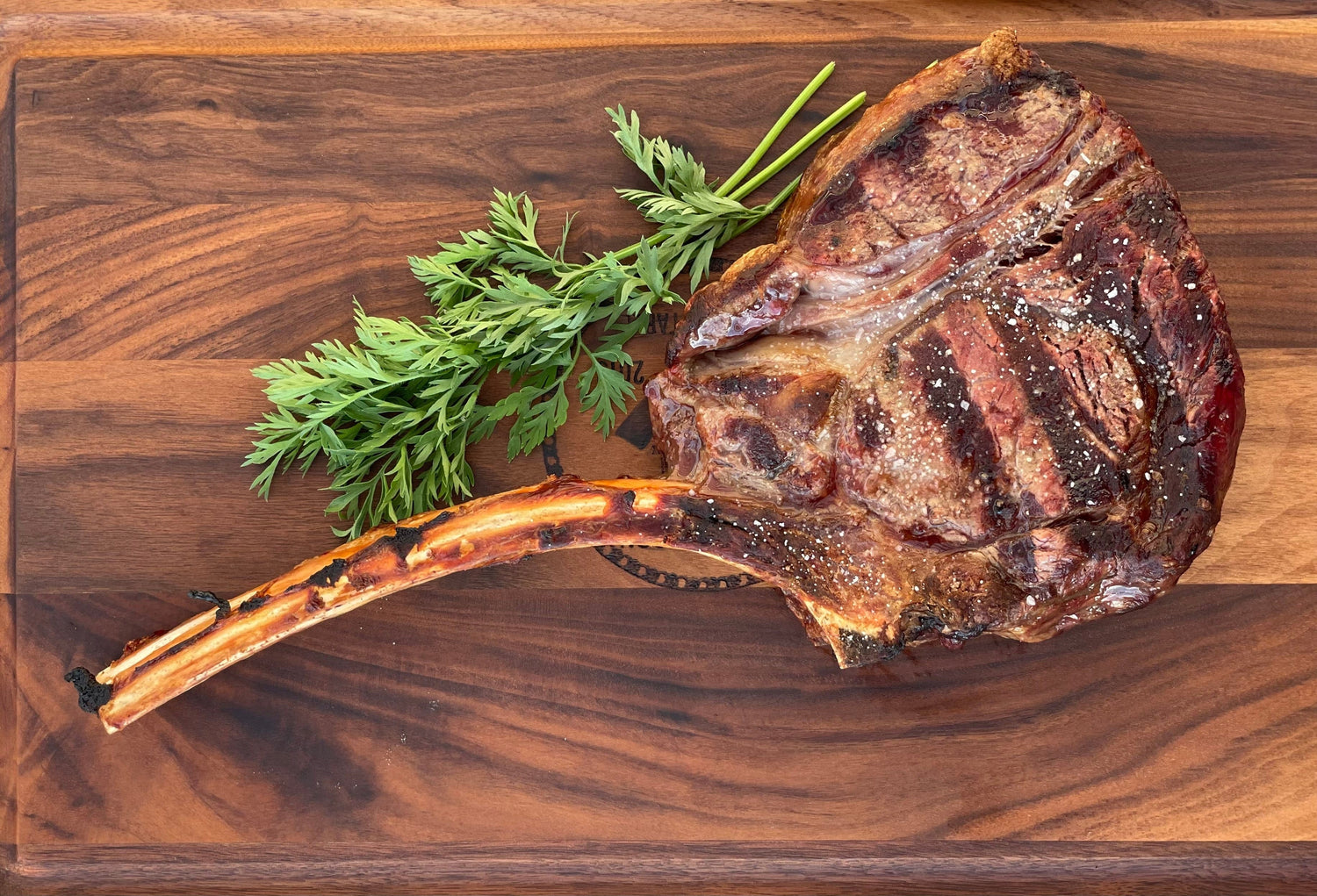
Here's something you should know before we get into the numbers: we raised cattle before we ever owned a single bison. Anthony grew up on a dairy farm in Indiana and ran beef cattle for years before three bison heifers showed up on the ranch in 2013 and changed the whole plan. So this isn't a hit piece on beef. We like beef. We just like what's in bison better — and if you train hard, count your macros, or care about what your food is actually made of, you probably will too.
Let's put the two side by side and be honest about it.
The Numbers, Straight Up
These are USDA figures for cooked lean meat, per 3.5 oz (100 g) serving. Your exact cut will vary a little, but the pattern holds across the animal.
| Bison (lean, cooked) | Beef (lean, cooked) | |
|---|---|---|
| Calories | ~143 | ~200+ |
| Protein | ~28 g | ~29 g |
| Total fat | ~2.4 g | ~8 g |
| Iron | ~3.4 mg | ~2.9 mg |
| Vitamin B12 | ~2.4 mcg | ~2.0 mcg |
Read that protein row again. Beef wins by about a gram. But look at what it costs you to get there — roughly a third more calories and more than three times the fat.
That's the whole story of bison in one table. It's not that bison has magic protein and beef doesn't. It's that bison delivers essentially the same protein with far less riding along that you didn't ask for.
Protein Per Calorie Is the Stat That Matters
If you're an athlete, or just someone trying to hit a protein target without blowing past a calorie budget, the number you actually care about is protein per calorie.
Lean bison comes in around 1 gram of protein for every 5 calories. Even lean beef runs closer to 1 gram per 7 — and that gap widens fast once you get into fattier cuts and standard ground beef, where you can end up spending 10 or 12 calories for every gram of protein.
In practical terms: a half pound of ground bison gets you in the neighborhood of 55–60 grams of protein for roughly the calories of a bagel with cream cheese. Try doing that with 80/20 ground beef and you've eaten close to double the calories for the same protein. If you're cutting weight for a competition, managing a lean bulk, or just tired of choosing between "enough protein" and "not stuffed," that math adds up meal after meal.
Iron and B12: The Part Most Protein Talk Skips
Everyone talks protein. Almost nobody talks about the minerals that determine whether you can actually use it.
Iron carries oxygen to working muscle. Run low and you'll feel it before any blood test tells you — workouts feel heavier than they should, recovery drags, and no amount of extra sleep fixes it. Endurance athletes and anyone training at volume burn through iron faster than most people realize. Bison is one of the most iron-dense foods you can put on a plate, and it's heme iron, the kind your body absorbs readily — not the kind you choke down in a supplement and mostly pass through.
B12 runs your energy metabolism and red blood cell production. Zinc supports recovery and hormone function. Bison brings meaningful amounts of all three, in a form your body recognizes, because it's just... meat. Nothing added, nothing fortified, nothing engineered in a lab to resemble food.
There's also creatine — the most studied performance supplement in existence occurs naturally in red meat, bison included. You won't get a full loading dose from dinner, but every serving contributes to the stores your muscles draw on for explosive work.
What "Grass Fed and Finished" Changes
Here's a detail worth knowing when you're comparing labels: a lot of bison sold in stores is grain-finished in feedlots, same as commodity beef. The word "bison" on a package tells you the species, not how the animal lived.
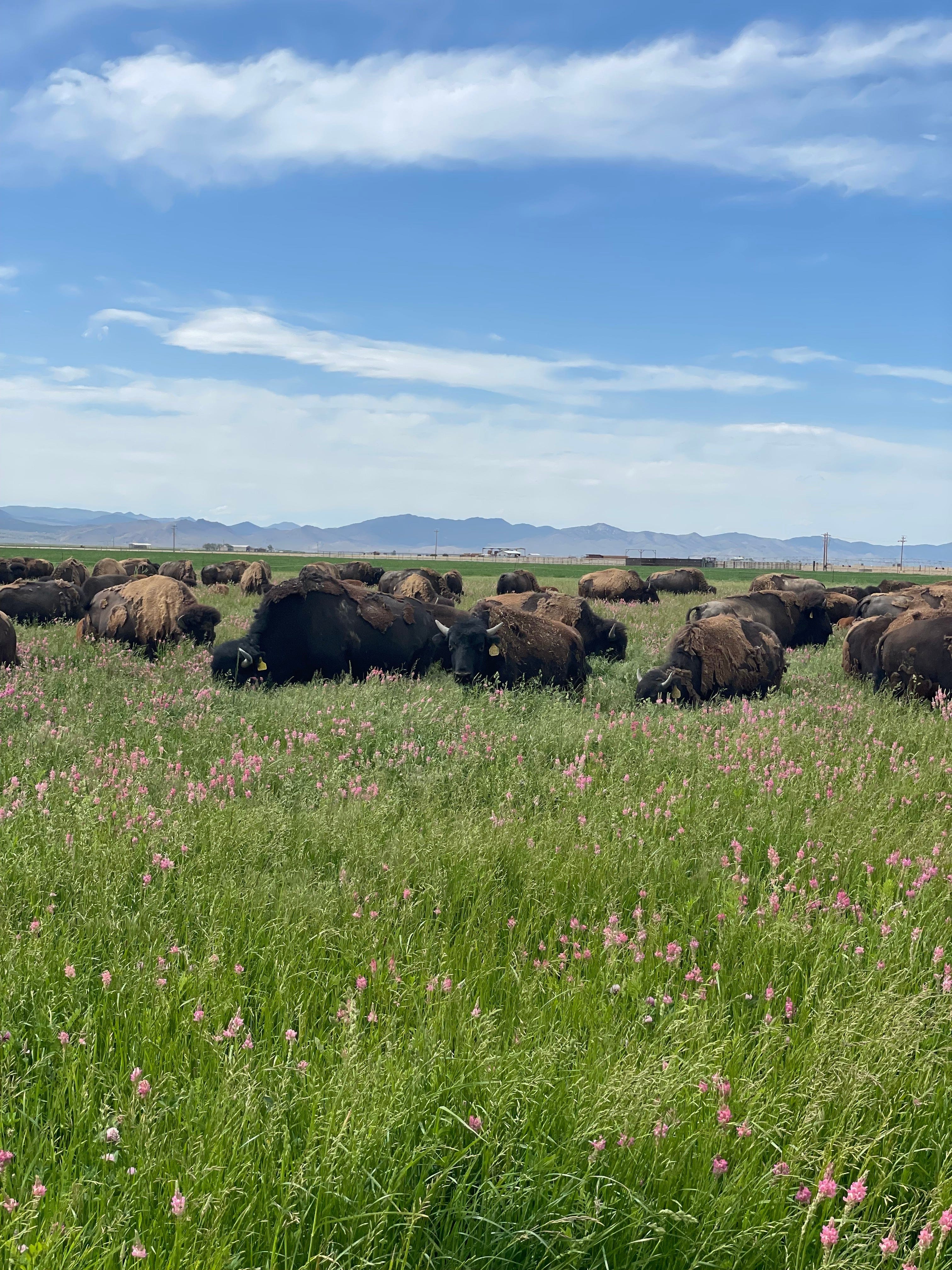
Our bison graze on pasture in Eureka, Nevada from start to finish. Grass-fed and grass-finished, no grain, no antibiotics, no hormones, on ground we manage regeneratively. That's not just a feel-good line — grass-finished meat carries a better omega-3 to omega-6 balance and more CLA than grain-finished meat. When the fat content is already this lean, the quality of the fat that is there matters more, not less.
An animal that spent its life moving across open range, eating what it evolved to eat, produces different meat than one standing in a lot. We'd argue you can taste the difference. The nutrition panel just backs up what your fork already told you.
How This Actually Looks in a Training Week
Theory is nice. Here's how people who train actually use this stuff:
Ground bison is the meal-prep workhorse. Browns in minutes, works anywhere ground beef does — bowls, tacos, chili, burgers — and you can eat it without doing calorie penance afterward. One thing to know: because it's so lean, it cooks faster than beef. Pull it a little earlier than you're used to. Overcooking lean meat is the number one reason people think they don't like bison.
Jerky and meat sticks solve the between-meals problem. The gap between lunch and an evening training session is where most good nutrition plans fall apart — and where most gas station "protein" snacks are candy bars wearing a costume. Bison jerky is protein you can keep in a gym bag, a truck console, or a desk drawer, made from an animal, not a formula.
Steaks are the reward that doesn't undo the work. A bison ribeye after a heavy training block is one of the rare cases where the celebration meal and the smart meal are the same meal.
The Honest Caveats
Bison costs more than beef. There's no way around it — bison herds are a fraction of the size of the national cattle herd, they grow slower, and raising them right on open pasture doesn't scale the way feedlots do. Whether that premium is worth it depends on what you're optimizing for. If it's cost per pound, beef wins. If it's cost per gram of protein you actually wanted, in an animal raised the way you'd raise it yourself, the gap gets a lot narrower.
And again: lean meat is unforgiving of overcooking. Medium-rare is your friend. A meat thermometer is a better investment than most supplements.
The Bottom Line
Beef is fine. Bison is what beef looks like with the extras stripped out — nearly identical protein, a fraction of the fat and calories, more iron and B12, and (if you buy from the right ranch) a life spent on grass instead of grain.
We call it unaltered protein from nature because that's exactly what it is. No shortcuts in the pasture, no shortcuts on your plate.
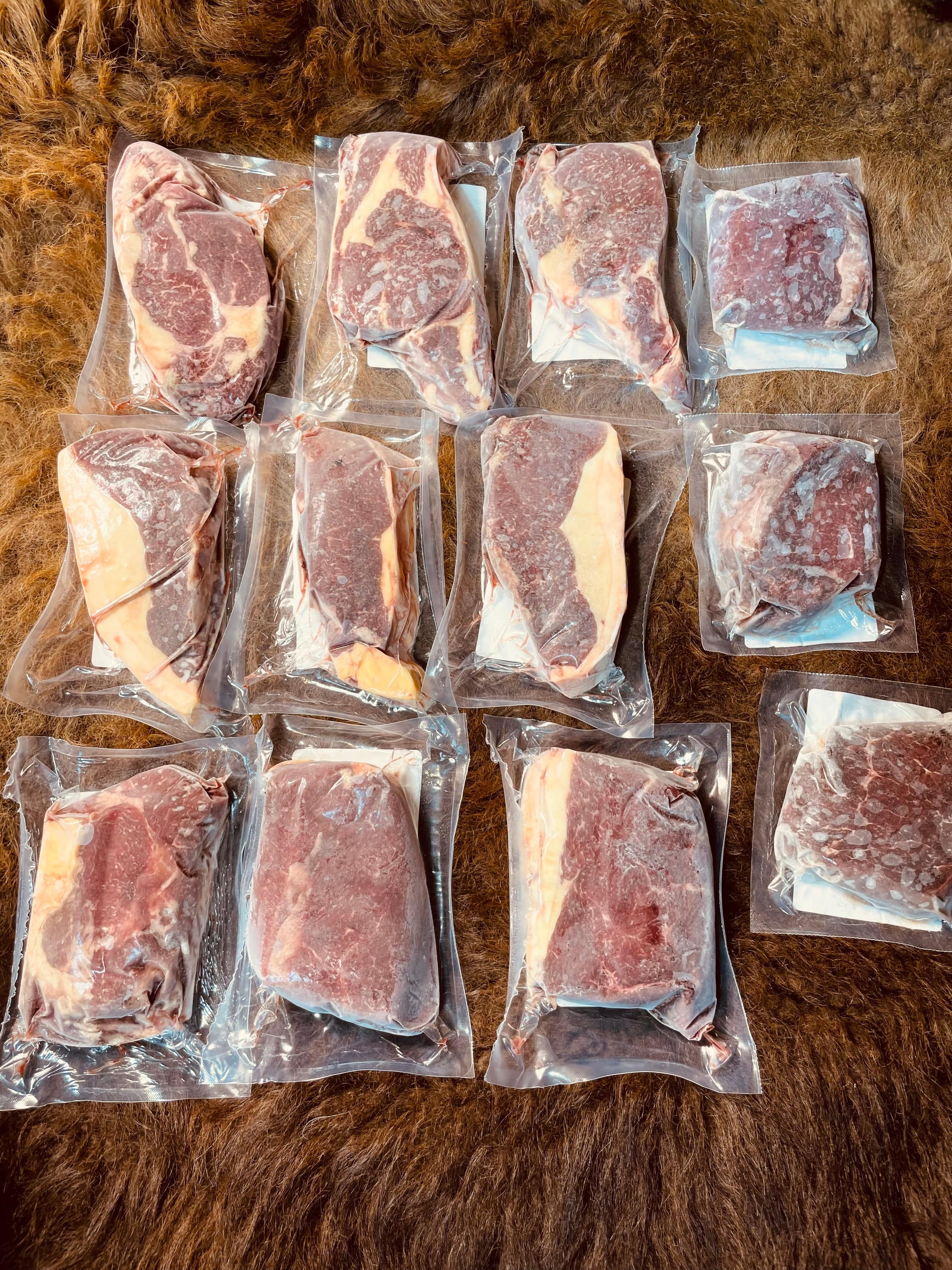
If you want to put the numbers to the test, our ground bison and carnivore snack packs are the easiest place to start — and everything ships frozen to your door.
Questions about cuts or how we raise our herd? Call us at 1-775-318-0366. Anthony usually picks up.

Leave a comment
This site is protected by hCaptcha and the hCaptcha Privacy Policy and Terms of Service apply.